


Winter, 1943
- Feb 21
- 3 min read
The telegram came in white.
Not snow—but that same terrible blankness that erases the sound from a room and leaves only breath, visible and trembling.
When Anna unfolded it at the kitchen table, the clock on the wall continued ticking, stubborn and loud. The kettle shrieked. The world, rude and unbroken, kept moving. But something inside the room had frozen solid. The paper did not say much. It did not need to. It carried winter in its fibers.
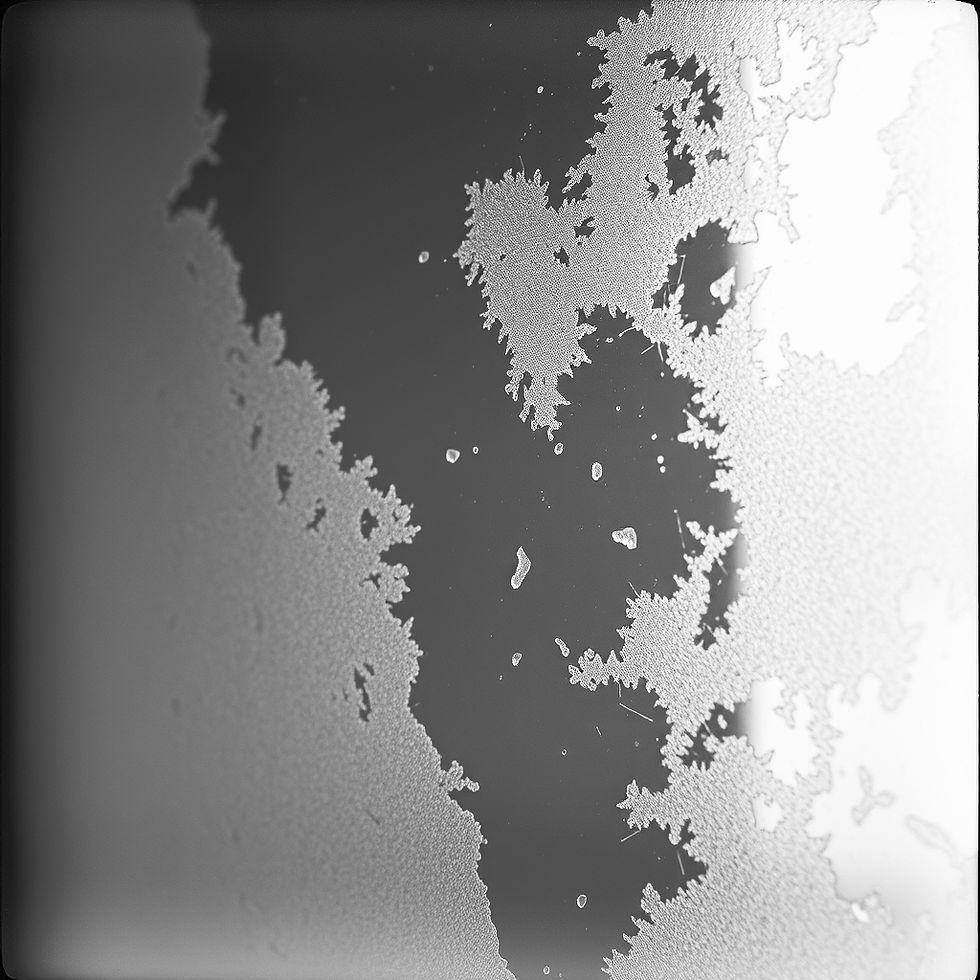
Outside, frost traced the windows like veins.
They had learned a different winter now. It did not arrive gently over fields. It marched in iron boots. It hummed in factories through the night. It blacked out windows in cities like London, where mothers pinned curtains tight and kissed foreheads by candlelight, pretending the dark was a game.
On the radio, a clipped voice spoke of Stalingrad—a place turned to bone and smoke—and of boys who had left in autumn and did not return with the geese. Anna’s son had left in autumn. He had stood on the platform with his hat tucked beneath his arm, grinning as though he were off to a dance. She remembered the steam curling around his shoulders like a blessing. She remembered not crying.
Bread was thinner now. Stockings were mended past memory. In the distance, the sky sometimes droned like a hive split open, and everyone paused to listen, counting heartbeats between the sound and the earth.
This was not the winter of frostbitten orchards or silvered ponds.
This was the winter of names carved too soon. Of photographs folded at the creases. Of brides who practiced being widows without ever having been wives.
Anna folded the telegram once. Then again. She did not weep. Instead, she placed it in the drawer beside the ration book and stood. There were dishes to wash. Coal to ration. A world to endure.
Yet beneath the soot, beneath the ration books and the ash, something rooted itself in secret.
In the church basement, children colored with stolen crayons—bright, defiant strokes across scraps of brown paper. Not gray. Not brown. But green. One girl pressed so hard her crayon snapped, and she laughed as if breaking were the most natural thing in the world.
In shipyards and on farms, hands blistered and bled, and still they built, and still they planted. Anna planted potatoes in soil stiff as iron. She pressed each seed into the ground as if tucking in a child. The earth did not feel dead beneath her palms. Only waiting.
Even in camps they dared not name, where the snow was not the cruelest white, someone hummed a lullaby older than barbed wire. The tune traveled farther than fences. It slipped beneath doors. It threaded itself through cracks in history.
Winter believed it was permanent.
It believed in stillness, in silence, in the long arithmetic of loss. It believed that telegrams could define the shape of a life.
But the earth was stubborn.
Under bomb-shattered fields, bulbs pressed upward, blind but certain. In the rubble of Warsaw, a crocus rehearsed its purple between broken stones. No one had planted it. No one had asked it to bloom.
The calendar insisted on April.
Anna found herself standing at the window one morning, the blackout curtain slightly parted. The air smelled different. Not warm—but loosened. Somewhere, water moved beneath ice. Somewhere, a bird risked a thin, questioning note.
And somewhere beyond the smoke of Berlin, beyond the grief and the iron and the endless night, there was a rumor moving—soft as thaw.
It said this is not the end.
It said this is only the season before the thaw splits stone, before rivers remember their voices, before the dead earth astonishes us with color.
Anna stepped outside. The frost gave way beneath her boot.
And though the telegram remained in its drawer, white and unchanging, the ground beneath her hands was no longer only cold.
It was beginning.


Comments